
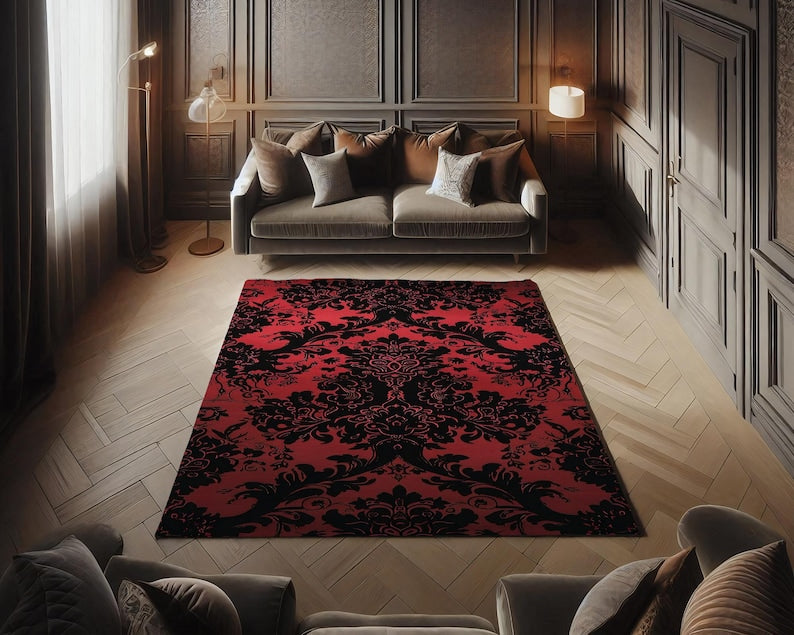
**How to Choose the Perfect Rug Size: A Guide to Selecting the Right Carpet**
Choosing the perfect rug size can make a huge difference in your home’s look and feel. Rugs add warmth, define spaces, and tie your décor together. However, picking the right size isn’t always easy—choose wrong, and your room can look awkward or cramped. That’s why we’ve created this comprehensive guide to selecting the perfect rug size for every space.
Why Rug Size Matters
The size of your rug has a significant impact on the aesthetics and functionality of your room. A correctly sized rug anchors furniture, creates visual harmony, and can even make a space feel larger or cozier. Too small, and the rug can look lost and make the room feel disconnected. Too large, and it may overwhelm the space or cause practical issues, like tripping hazards.
Key Factors to Consider Before Choosing a Rug
Before you start shopping, consider these essential factors:
- **Room Type and Purpose:** Each room has its own needs. A living room, bedroom, or dining area may require different sizes and placements.
- **Furniture Layout:** The way you arrange your furniture determines the best rug shape and size.
- **Room Dimensions:** Measure your space to avoid purchasing a rug that’s too big or too small.
- **Style Preferences:** Think about whether you want a bold centerpiece or a subtle foundation.
Rug Size Guidelines for Different Rooms
**Living Room:**
- Standard rugs come in sizes like 5’x8’, 8’x10’, and 9’x12’.
- For a unified look, consider the “all legs on” rule—place all furniture legs on the rug.
- Alternatively, the “front legs on” placement is popular for smaller spaces, anchoring only the front furniture legs on the rug.
- Floating rugs (none of the furniture legs on the rug) work for accent pieces, but usually make the space seem disconnected.
**Bedroom:**
- For beds, at least 18-24 inches of rug should extend from the sides and foot of the bed.
- A common option is a large area rug under the entire bed and nightstands.
- Runners at both sides or the foot of the bed work for smaller rooms.
**Dining Room:**
- Rugs should extend at least 24 inches beyond each edge of the dining table so chairs remain on the rug when pulled out.
- Rectangular rugs suit long tables; round rugs are great for circular tables.
Measuring Your Space Correctly
Follow these steps to measure your space for a rug:
1. **Clear the Area:** Remove obstacles and existing mats.
2. **Use a Tape Measure:** Measure the length and width of the area you want the rug to cover.
3. **Mark the Space:** Use painter’s tape to outline potential rug sizes on the floor.
4. **Visualize the Look:** Place furniture within or alongside the marked area to preview the final effect.
**Tools You’ll Need:**
- Tape measure
- Painter’s tape
- Notepad to jot down sizes
**Common Mistakes to Avoid:**
- Not accounting for door clearance
- Underestimating the area needed for moving chairs
- Choosing a rug with an awkward shape for your room
Popular Rug Size Charts & Templates
Take advantage of standard rug size charts available from most rug retailers. These charts can help you quickly compare sizes for different rooms and layouts. For odd-shaped spaces or custom furniture arrangements, consider custom-sized rugs. Many online stores also offer printable templates or virtual room planners to help you visualize various rug sizes at home.
Tips for Unusual Spaces & Open Floor Plans
Rugs are powerful tools for defining zones in open floor plans, such as separating a lounging area from a dining nook. Try using multiple rugs to demarcate distinct spaces. In long hallways, opt for runners. Small corners or entryways benefit from unique shapes, like round or oval rugs, that suit the scale of the space. Don’t be afraid to layer rugs for added texture and interest—just ensure they still harmonize with the overall room size.
Frequently Asked Questions About Rug Sizing
**Can a rug be too big or too small?**
Absolutely. A tiny rug can make your furniture look like it’s floating, while an oversized rug can “eat up” the space and make cleaning more difficult.
**How do I deal with awkwardly shaped rooms?**
Custom or modular rugs can solve this. You can also combine multiple smaller rugs or use runners to fit the layout.
**What about high-traffic areas?**
Choose rugs that fit well within the space but leave enough bare floor to prevent tripping. Opt for durable, low-pile designs.
Conclusion
Selecting the perfect rug size needn’t be a challenge. By considering room function, furniture layout, and correct measurements, you’ll create a space that feels balanced and inviting. Use guidelines, sizing charts, and visualization tools to take the guesswork out of the process. With the right rug size, your home gains both style and comfort—making every room truly complete.